Cybersecurity has become essential for small businesses in 2026 as cyber threats continue to grow in complexity. From ransomware attacks to data breaches, even small organizations are targeted due to weaker security systems. This guide explains how cybersecurity tools work, why they matter, and the best solutions available to protect business data.
What Are Cybersecurity Tools and How They Work
Cybersecurity tools are software solutions designed to protect systems, networks, and data from unauthorized access, malware, and cyberattacks. These tools monitor activity, detect threats, and respond to potential risks in real time.
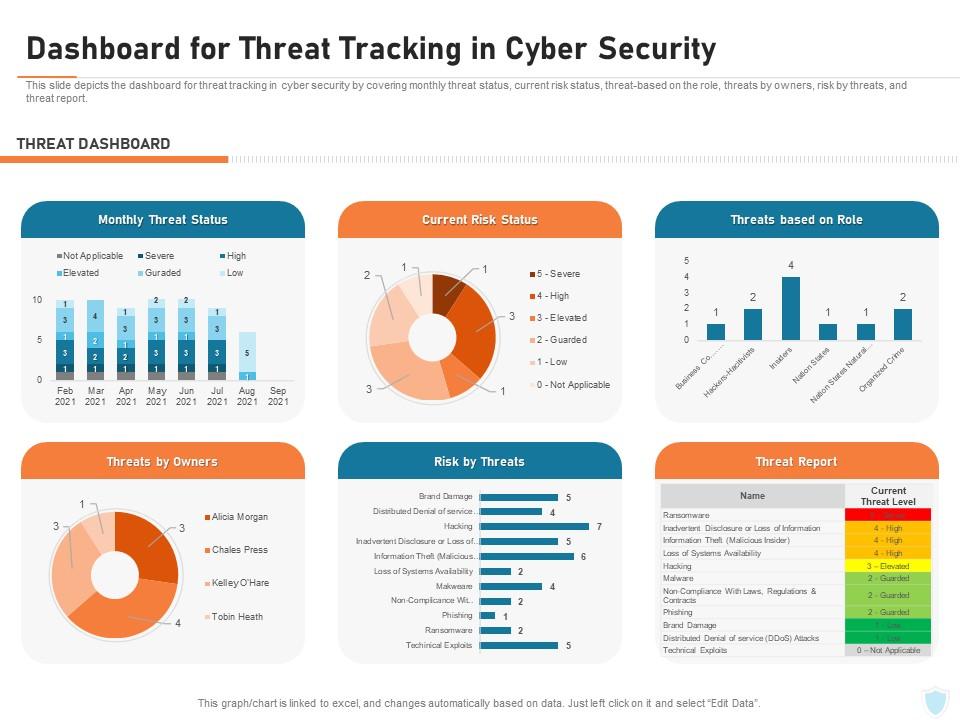
They use technologies such as encryption, firewalls, and artificial intelligence to safeguard sensitive information. Additionally, modern tools offer automated threat detection, reducing the need for manual monitoring.
Featured Snippet:
Cybersecurity tools are software solutions that protect business systems and data from cyber threats like malware, hacking, and phishing. In 2026, these tools use AI, encryption, and real-time monitoring to detect and prevent attacks, ensuring data security and business continuity.
Key Features to Look for in Cybersecurity Tools
Choosing the right tools depends on business size, data sensitivity, and operational needs.
Essential Features
- Real-Time Threat Detection: Identifies risks instantly
- Data Encryption: Protects sensitive information
- Firewall Protection: Blocks unauthorized access
- Cloud Security: Secures remote data storage
- User Access Control: Limits internal data exposure
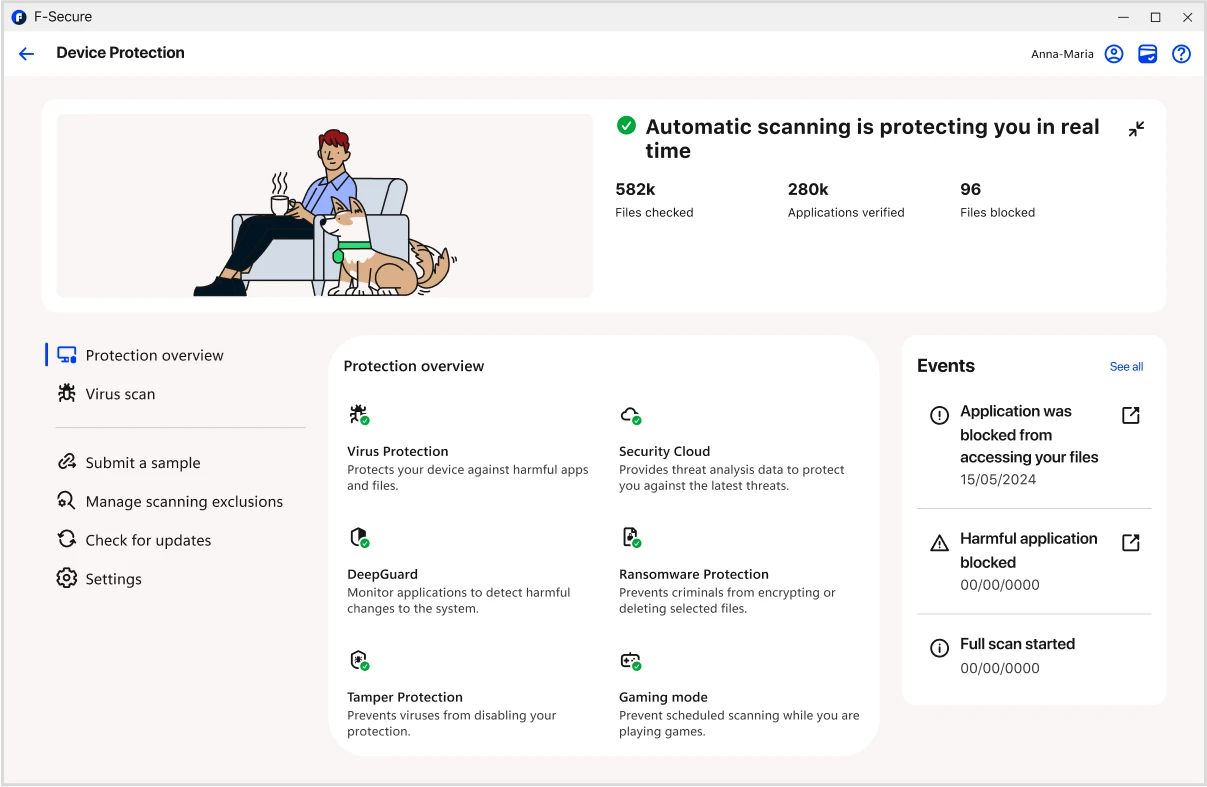
Additionally, many tools now provide centralized dashboards for easier monitoring.
Top Cybersecurity Tools for Small Businesses in 2026
Several tools stand out due to reliability, ease of use, and strong protection capabilities.
1. Norton Small Business
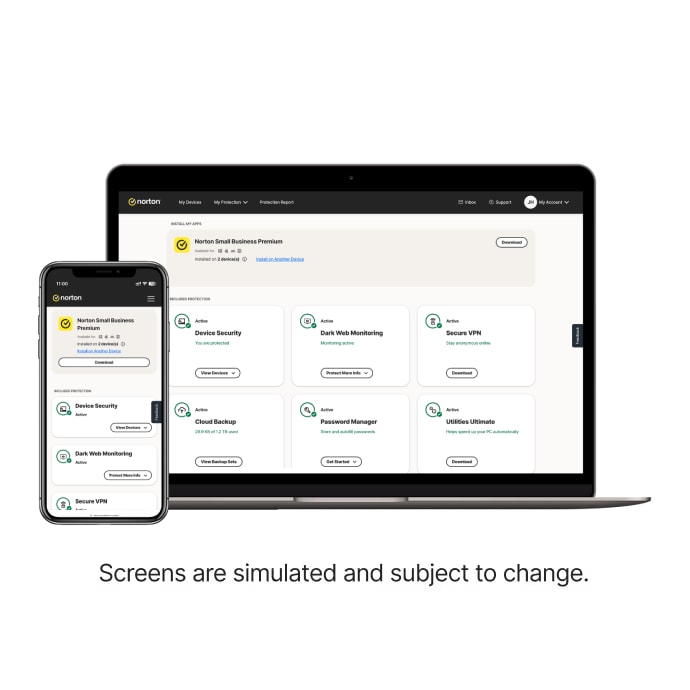
Provides comprehensive protection with antivirus, firewall, and cloud backup features tailored for small teams.
2. Bitdefender GravityZone
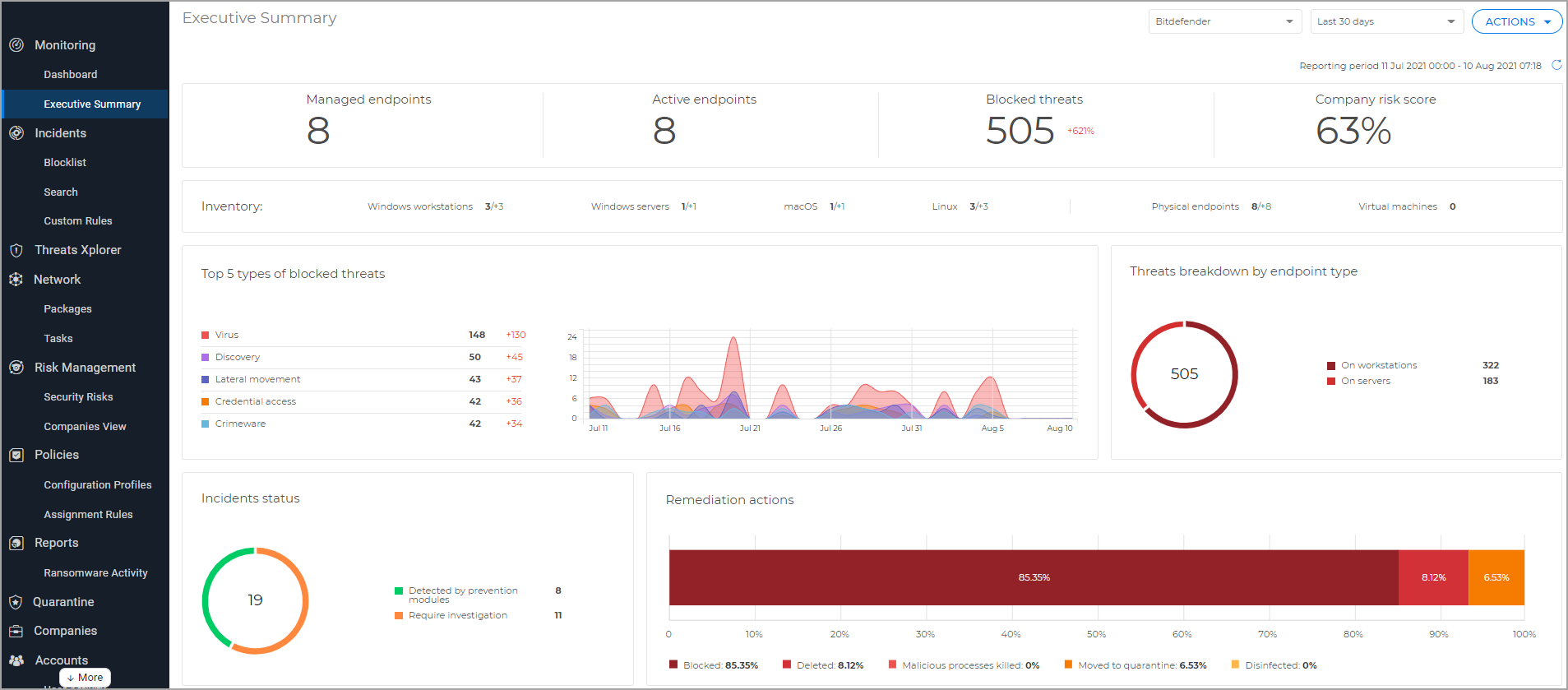
Offers advanced threat detection using machine learning and centralized management tools.
3. McAfee Total Protection for Business


Includes antivirus, identity protection, and web security features for complete coverage.
4. Kaspersky Endpoint Security
Known for strong malware protection and efficient endpoint security management.
5. Sophos Intercept X
Uses deep learning AI to detect and prevent advanced threats such as ransomware.
Types of Cybersecurity Tools
Understanding categories helps businesses implement layered protection.
Common Types
- Antivirus Software: Detects and removes malware
- Firewall Systems: Controls network traffic
- Endpoint Protection: Secures devices like laptops and mobiles
- Cloud Security Tools: Protects cloud-based data
- Password Managers: Secures login credentials
Therefore, combining multiple tools creates a stronger defense system.
Benefits and Limitations
Advantages
- Data Protection: Prevents unauthorized access
- Business Continuity: Reduces downtime from attacks
- Regulatory Compliance: Meets data protection standards
- Customer Trust: Enhances brand credibility
Limitations
- Cost: Advanced tools may require subscriptions
- Complex Setup: Some solutions need technical expertise
- False Alerts: Automated systems may generate unnecessary warnings
However, proper configuration and training can minimize these issues.
How to Choose the Right Cybersecurity Tools
Selecting the right tools requires evaluating business-specific risks.
Key Considerations
- Business size and number of devices
- Type of data handled (financial, customer data)
- Budget constraints
- Ease of use and support
- Integration with existing systems
Additionally, choosing scalable solutions ensures long-term usability.
Where Cybersecurity Tools Are Used
Cybersecurity tools protect various business operations and systems.

Common applications include:
- Securing customer databases
- Protecting online transactions
- Safeguarding employee devices
- Ensuring safe remote work environments
Moreover, businesses use these tools to prevent financial and reputational losses.
Technologies Behind Modern Cybersecurity
Modern cybersecurity solutions rely on advanced technologies.
- Artificial Intelligence: Detects unusual behavior
- Machine Learning: Predicts potential threats
- Encryption Algorithms: Secures sensitive data
- Cloud Computing: Enables remote security management
Consequently, these technologies improve efficiency and accuracy in threat detection.
FAQs About Cybersecurity Tools
1. Why do small businesses need cybersecurity tools?
Small businesses are common targets for cyberattacks due to weaker security systems.
2. What is the best cybersecurity tool for beginners?
Tools like Norton Small Business and McAfee are user-friendly and suitable for beginners.
3. Are free cybersecurity tools effective?
They provide basic protection, but paid tools offer advanced security features.
4. How often should cybersecurity tools be updated?
Regular updates are essential to protect against new threats.
5. Can cybersecurity tools prevent all attacks?
No system is completely foolproof, but strong tools significantly reduce risk.
6. Is cloud security necessary for small businesses?
Yes, especially for businesses using online storage and remote work systems.
Conclusion
Cybersecurity tools in 2026 are essential for small businesses to protect sensitive data and prevent cyber threats. With options ranging from antivirus software to AI-powered security platforms, businesses can build strong defenses against hacking and data breaches. However, selecting the right tools and maintaining regular updates is key to ensuring long-term digital security.