Deepfake videos and AI-generated voice clones are becoming more realistic and harder to detect. These technologies use advanced machine learning to mimic real people with alarming accuracy. This guide explains how deepfakes work, how to identify them, and what practical steps you can take to stay protected.
What Are Deepfakes and Voice Clones
Deepfakes are synthetic media created using artificial intelligence. They manipulate video, images, or audio to make it appear that someone said or did something they never did. Similarly, voice cloning uses AI to replicate a person’s voice using short audio samples.
Featured Snippet
Deepfakes are AI-generated media that manipulate video or audio to mimic real people. You can detect them by checking for visual inconsistencies, unnatural speech patterns, and verifying content sources using trusted tools and cross-references.
These technologies rely on deep learning models, especially Generative Adversarial Networks (GANs). One network creates fake content, while another evaluates it. Over time, the system improves until the fake becomes highly convincing.
How Deepfake Technology Works
Deepfake systems learn patterns from large datasets of real images, videos, and voice recordings. They then recreate those patterns to generate synthetic outputs.

Key Components
- Training Data: Large sets of images, videos, or voice samples
- Neural Networks: Algorithms that learn facial movements or speech tones
- Synthesis Engine: Generates the final fake content
- Post-processing: Enhances realism by smoothing artifacts
For voice cloning, AI analyzes tone, pitch, and speaking style. As a result, even short clips can produce highly accurate replicas.
Signs of Deepfake Videos
Although deepfakes are improving, many still contain subtle flaws. Careful observation helps detect them.
Visual Indicators
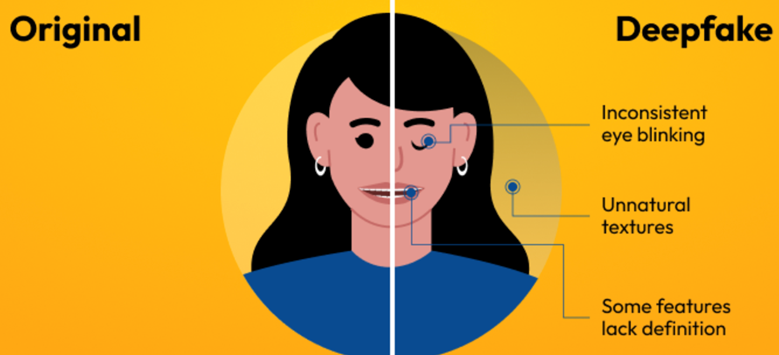
- Unnatural blinking patterns
Some deepfakes blink too little or too much - Facial distortions
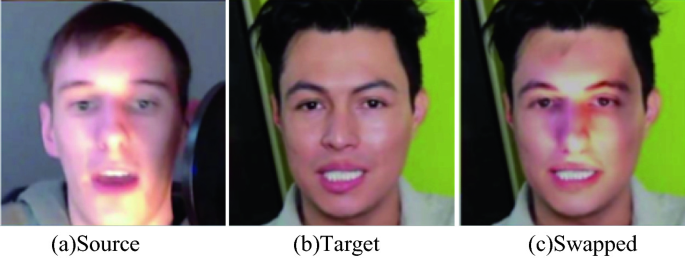
Jawlines or cheeks may warp during movement - Lighting inconsistencies
Shadows may not match the environment - Blurry edges
Faces may appear slightly smudged or disconnected - Lip-sync errors
Mouth movements may not perfectly match speech
Motion Irregularities
- Jerky head movements
- Inconsistent frame transitions
- Strange eye focus or gaze direction
However, newer deepfakes reduce these flaws, so relying on visuals alone is not enough.
How to Detect AI Voice Clones
Voice cloning is widely used in scams, especially impersonation calls.

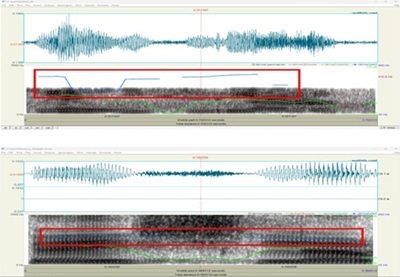
Audio Warning Signs
- Flat emotional tone
AI voices may lack natural variation - Strange pauses
Timing may feel unnatural or slightly delayed - Overly clear pronunciation
Speech may sound too perfect - Background mismatch
Voice environment may not match context
Behavioral Clues
- Urgent requests for money or sensitive data
- Requests to bypass normal procedures
- Claims that discourage verification
For example, a cloned voice may pretend to be a manager asking for immediate payment.
Tools to Detect Deepfakes
Several tools and techniques help verify content authenticity.
AI Detection Software
- Deepfake detection platforms analyze pixel-level inconsistencies
- Audio tools examine frequency and waveform patterns
- Browser extensions flag suspicious media
Reverse Search Techniques
- Use reverse image search to trace original content
- Check if the video appears elsewhere with different context
Metadata Analysis
- Inspect file creation details
- Look for editing software traces
Cross-Verification
- Compare with official sources
- Verify through trusted news platforms or direct contact
Practical Security Measures
Detecting deepfakes is important, but prevention and awareness matter more.

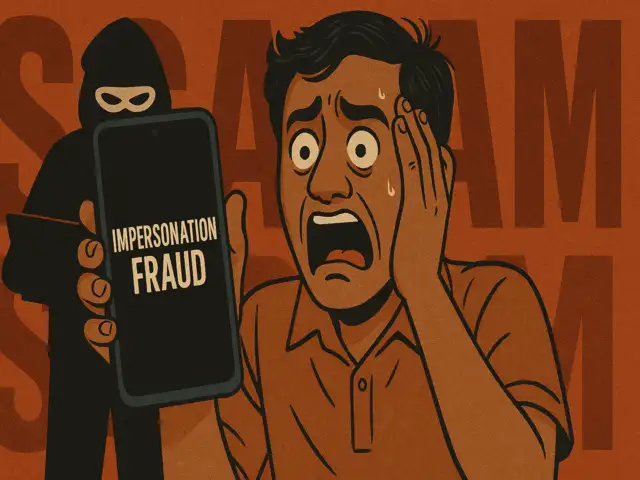
Personal Protection Tips
- Verify before trusting
Always confirm unusual requests - Limit online exposure
Avoid sharing excessive voice or video content - Use multi-factor authentication
Prevent unauthorized access - Educate your team or family
Awareness reduces risk significantly
For Businesses
- Implement voice verification protocols
- Train employees on social engineering threats
- Use secure communication channels
Advantages and Risks of Deepfake Technology
Benefits
- Film and entertainment production
- Voice restoration for medical use
- Language translation and dubbing
Risks
- Fraud and scams
- Political misinformation
- Identity theft
- Reputation damage
Therefore, while the technology has useful applications, misuse creates serious security challenges.
Real-World Applications and Threat Scenarios
Deepfakes are used in various real-world situations, both positive and harmful.
Common Threat Scenarios
- CEO fraud using voice cloning
- Fake celebrity endorsements
- Political propaganda videos
- Social media misinformation
Meanwhile, industries like filmmaking use deepfakes for visual effects, reducing production costs.
Future of Deepfake Detection
Detection technology is evolving alongside deepfake creation.
- AI-based detection models are improving accuracy
- Blockchain verification may authenticate original media
- Digital watermarking is becoming more common
However, the challenge remains ongoing as both sides advance rapidly.
Also Read:- Battle Royale Games
Top 5 New Battle Royale Games for Android & iOS
Frequently Asked Questions
1. Can deepfakes be detected easily?
Not always. Basic deepfakes are easier to spot, but advanced ones require specialized tools and verification methods.
2. Are voice clones legal?
Voice cloning itself is legal in many regions. However, using it for fraud, impersonation, or misinformation is illegal.
3. What is the best way to verify a suspicious video?
Cross-check the source, use reverse search, and compare it with trusted platforms or official statements.
4. How do scammers use voice cloning?
Scammers often impersonate trusted individuals to request money or sensitive information urgently.
5. Can social media platforms detect deepfakes?
Many platforms use AI detection systems, but not all deepfakes are caught automatically.
6. How can I protect my voice from being cloned?
Limit public audio sharing, avoid unknown recordings, and use security verification methods for sensitive communication.
Conclusion
Deepfake videos and voice clones are powerful technologies that continue to evolve. While they offer benefits in media and communication, they also introduce serious security risks. Recognizing visual and audio inconsistencies, using verification tools, and maintaining cautious digital habits are essential steps in staying protected.